The App
Modernization Journey
Transform legacy app stacks with modern technology. Move from monolithic systems to cloud-ready, modular, data-driven applications.
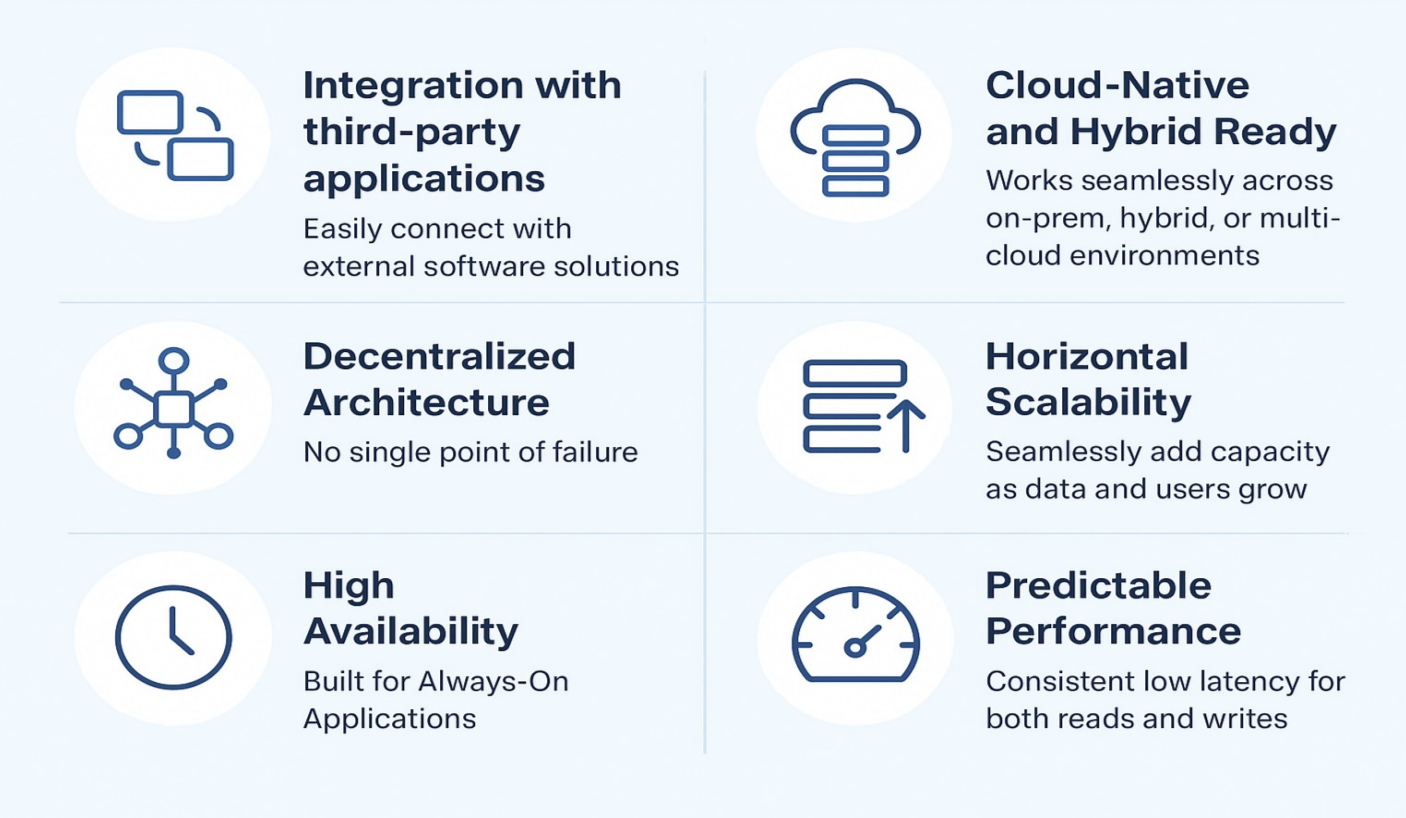
What is App Modernization?
App modernization empowers legacy stacks with next-gen technology, preparing them for cloud, mobile, and data-driven execution. It improves customer satisfaction, operational efficiency, and executive insight while lowering total cost of ownership.
App Modernization
BleuBird App Modernization portfolio helps businesses transform legacy systems into scalable, cloud-native, and intelligent applications that meet today's performance, scalability, security, integration and growth demands. The solution goes beyond simple migration - includes re-hosting, re-platforming, re-architecting, and refactoring existing applications while integrating microservices, containers, DevOps automation, and future-ready Generative and Agentic AI capabilities.
The portfolio delivers enhanced agility, reliability, user experience, security, and reduced technical debt, enabling organizations to innovate faster, support modern workloads, and extend the life and value of existing software investments. With support for on-premise, hybrid and multi-cloud environments and ongoing optimization, our portfolio helps teams accelerate time-to-market, significant reduction in TCO and unlocks mid-term efficiency gains. Ideal for enterprises seeking to modernize core applications, embrace cloud-native architecture, and build a foundation for AI-driven operations.
DevOps
BleuBird's DevOps modules help organizations build, operate, and optimize secure, scalable, and automated software delivery pipelines. By combining DevOps best practices with cloud-native tooling, CI/CD automation, infrastructure as code, and observability, BleuBird accelerates release cycles while improving stability and quality.
The offering focuses on continuous integration and delivery, environment provisioning, monitoring, and feedback loops that reduce manual effort and enable faster, reliable deployments. With strong emphasis on security, compliance, and performance, features are shipped faster while maintaining operational resilience.
Ideal for enterprises looking to modernize delivery pipelines, improve operational efficiency, and scale software development with automated DevOps practices.
"It's not just an update; it's a complete rethink of how your business delivers value through technology."
Legacy State
- Monolithic design
- On-premise deployment
- Legacy datastores
- Expensive to change, customize
Modernized State
- Microservices architecture
- Cloud-Hybrid deployment
- Scalable, distributed datastores
- Agile and Cost-efficient
Journey from Legacy to Modernized stack explained
An application stack represents the complete set of technologies, services, and operational components required to build, deploy, and run modern digital applications. In today's enterprise environments, application stacks must support continuous change, high availability, and increasing performance demands while remaining secure and cost-efficient.
App Stack modernisation focuses on rethinking how applications are structured, integrated, deployed, and operated. Rather than modernizing individual components in isolation, this approach treats the application stack as a cohesive system, ensuring every layer evolves together without introducing bottlenecks or instability.
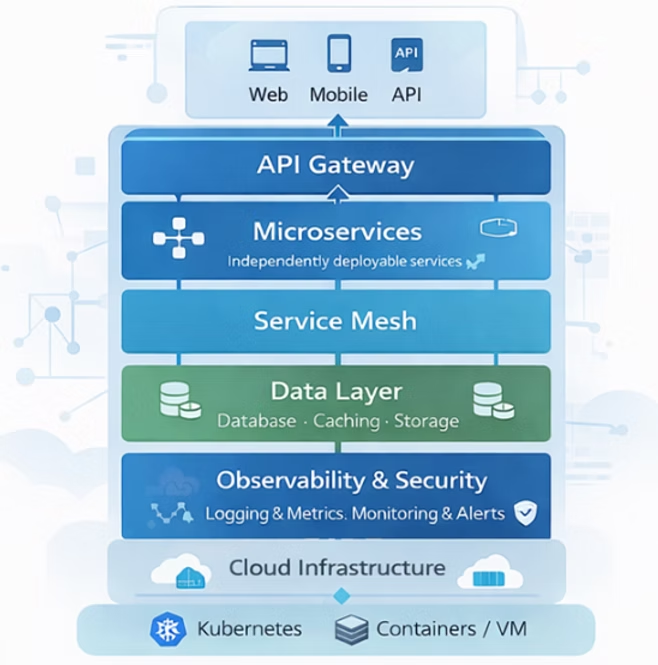
From Legacy Stacks to Modern Architectures
Traditional application stacks were often tightly coupled, monolithic, and infrastructure dependent. While these systems worked in the past, they struggle to scale, adapt, or integrate with modern cloud and AI platforms.
Modern app stacks are designed to be:
- Modular, allowing components to evolve independently
- Scalable, supporting dynamic workloads and growth
- Resilient, able to withstand failures without service disruption
- Cloud-ready, optimized for elastic and distributed environments
By modernizing legacy stacks into flexible architectures, organizations can significantly reduce technical debt while increasing agility and reliability.
Application Stack Layers Explained
User Interface and Access Layer: Modern stacks support multiple access channels, including web applications, mobile applications, and APIs. This layer ensures consistent user experiences across platforms while enabling integration with external systems and partners.
API Gateway and Integration Layer: The API gateway acts as the control plane for application access. It manages routing, authentication, traffic control, and observability. This layer enables secure and scalable interaction between services and consumers while decoupling frontend and backend systems.
Microservices Layer: Microservices break applications into smaller, independently deployable units. Each service owns its own logic and lifecycle, enabling faster development, easier scaling, and improved fault isolation. This design supports continuous delivery and independent innovation.
Service Mesh: As microservices grow, a service mesh provides advanced traffic management, security, and observability between services. It ensures reliable communication, enforces policies, and improves system visibility at scale.
Data Layer: Modern application stacks rely on multiple data technologies tailored to specific workloads. This includes transactional databases, distributed data platforms, caching layers, and object storage. A well-designed data layer improves performance, supports analytics, and enables AI-driven capabilities.
Observability and Security Layer: Observability is embedded across the stack through logging, metrics, tracing, and alerting. Security controls such as identity management, encryption, and policy enforcement are applied consistently, ensuring applications remain secure and compliant throughout their lifecycle.
Cloud Infrastructure and Platform Layer: The foundation of the modern app stack is cloud infrastructure, supported by container platforms and orchestration systems. This layer provides elasticity, high availability, automated scaling, and efficient resource utilization.
Engineering and Operational Best Practices
Modern app stacks are built using engineering practices that support speed without compromising stability:
- API-first development for consistency and integration
- Containerization for portability and environment parity
- DevOps and CI/CD pipelines for automated testing and deployment
- Infrastructure as Code for repeatability and governance
- Automated monitoring and alerting for proactive operations
These practices enable teams to release changes faster while maintaining high reliability and security standards.
Continuous Evolution Without Business Disruption
One of the primary goals of App Stack modernisation is enabling continuous evolution. By aligning architecture, data, infrastructure, and operations, organizations can introduce new features, scale workloads, and adopt emerging technologies without downtime or major rework.
This approach allows enterprises to:
- Roll out changes incrementally
- Scale individual components based on demand
- Improve system resilience and fault tolerance
- Support cloud migration and AI adoption seamlessly
Foundation for Cloud, AI, and Future Growth
A modernized app stack is not an end goal it is a foundation. It enables organizations to adopt cloud-native services, integrate AI and agentic systems, and respond quickly to future business requirements.
By modernizing the entire stack, enterprises ensure their applications remain adaptable, measurable, and ready for the next phase of digital transformation.
Business Impact
Stakeholder Access
Secure access for customers, partners, and employees to improve collaboration and service delivery.
Cloud & Mobility
Enable anywhere operations with cloud computing and edge device support.
Real-time Decisions
Integrate systems for immediate analytics and actionable business insights.
The 6-Step Journey
A proven methodology for risk-free transformation.
Assessment
Deep dive into legacy workflows and dependencies.
Strategy
Prioritize goals and select modernization vectors.
Planning
Define architecture, hosting, and security models.
Implementation
Execution with defined timeframes and cutovers.
Testing
Validate performance, scalability, and UX.
Improvement
Post-migration tuning and future roadmap.